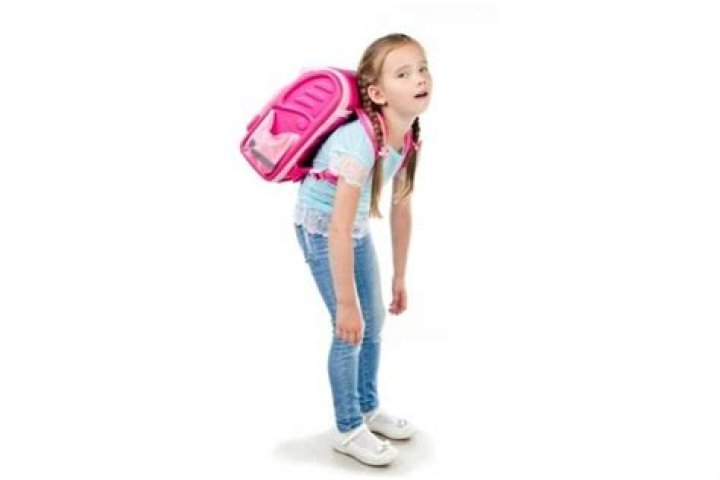
Can a heavy backpack cause scoliosis?

David Craig
Published Jan 03, 2026
Scoliosis is a condition characterized by an abnormal curvature of the spine, and many people wonder if carrying a heavy backpack can cause it. The short answer is no, simply carrying a heavy backpack cannot directly cause scoliosis. Scoliosis is most commonly caused by genetic factors, muscle imbalances, or asymmetrical growth of the spine. However, it is important to note that carrying a heavy backpack improperly or for extended periods of time can potentially exacerbate existing scoliosis or lead to other spinal issues.
When children or adults carry heavy backpacks, it can put strain on the muscles, ligaments, and joints of the back and spine. This can lead to muscle imbalances or postural abnormalities, which may worsen any existing scoliosis or contribute to back pain. It is especially crucial for children during their developmental years to have proper posture and avoid excessive weight on their backs, as their spines are still growing and susceptible to changes. It is recommended to limit the weight of a backpack to no more than 10-15% of the individual’s body weight to minimize the risk of straining the spine.
FAQs about the effects of heavy backpacks on scoliosis:
1. Can carrying a heavy backpack worsen scoliosis?
While carrying a heavy backpack itself cannot cause scoliosis, it can potentially worsen existing curvature or lead to muscle imbalances, increasing discomfort or pain. It is important to distribute the weight evenly and use shoulder straps, waist belts, and chest straps to support the backpack and minimize strain on the spine.
2. How does carrying a heavy backpack affect the spine?
Carrying a heavy backpack can cause the spine to tilt or lean to one side to compensate for the weight. This may put pressure on the discs between the vertebrae and lead to muscle imbalances. Over time, this can contribute to postural abnormalities and potentially exacerbate scoliosis or cause back pain.
3. What are the signs that a backpack is too heavy?
Signs that a backpack is too heavy include difficulty or pain when putting it on or taking it off, tingling or numbness in the arms or hands, red marks or indentations on the shoulders, and a noticeable forward lean while wearing the backpack.
4. How should a backpack be worn to minimize strain on the spine?
To minimize strain on the spine, a backpack should be worn with both shoulder straps securely on the shoulders, and the weight evenly distributed between the shoulders and hips. Waist belts and chest straps should be used to provide additional support and stability.
5. Can using a rolling backpack be a better alternative?
Using a rolling backpack can be a good alternative for individuals who regularly carry heavy loads. However, it is important to ensure that the rolling backpack is lifted and carried if encountering uneven surfaces or stairs, as pulling it continuously may also lead to strain on certain muscle groups.
6. Are there specific exercises or stretches that can help alleviate back pain from heavy backpacks?
Yes, there are exercises and stretches that can help alleviate back pain caused by heavy backpacks. Strengthening exercises for the core and upper back muscles can provide better support for the spine. Stretching the chest, neck, and shoulder muscles can also help relieve tension and improve posture.
7. Can scoliosis be prevented by avoiding heavy backpacks?
Scoliosis cannot be prevented solely by avoiding heavy backpacks. However, maintaining good posture, avoiding prolonged sitting or standing in unhealthy positions, and engaging in regular physical activity can contribute to overall spinal health.
8. How often should backpack weight be reassessed, especially for growing children?
Backpack weight should be reassessed regularly, especially for growing children. As they grow, their bodies change, and what was once a comfortable weight for their backpack may become too heavy. It is important to periodically check and adjust the weight of the backpack to ensure it remains within the recommended range.
9. Can scoliosis develop due to other factors aside from heavy backpacks?
Yes, scoliosis can develop due to various factors aside from heavy backpacks. Genetic factors play a significant role, as scoliosis can be inherited from family members. Other causes include muscle imbalances, asymmetrical growth, certain medical conditions, or injuries to the spine.
10. What should I do if I suspect scoliosis or experience back pain?
If you suspect scoliosis or experience persistent back pain, it is important to consult with a healthcare professional. They can evaluate your condition, determine appropriate treatment options, and provide guidance on managing back pain, including recommendations for backpack use.
Conclusion:
In summary, while carrying a heavy backpack itself cannot directly cause scoliosis, it can potentially worsen existing conditions or lead to muscle imbalances and discomfort. It is crucial to ensure that backpacks are worn properly, with weight distributed evenly, and that the weight does not exceed recommended limits. Regular reassessment of backpack weight and maintaining good posture are essential for minimizing the potential negative effects of backpack use on spinal health.
Please help us rate this postncG1vNJzZmivp6x7r6%2FErJpnm5%2BifKStzWaYZqCVlsO6ecGamqSokZi4bq%2FArqqeZaOYvK21zqygrGc%3D